
1-877-807-8121
CPR AED Certification
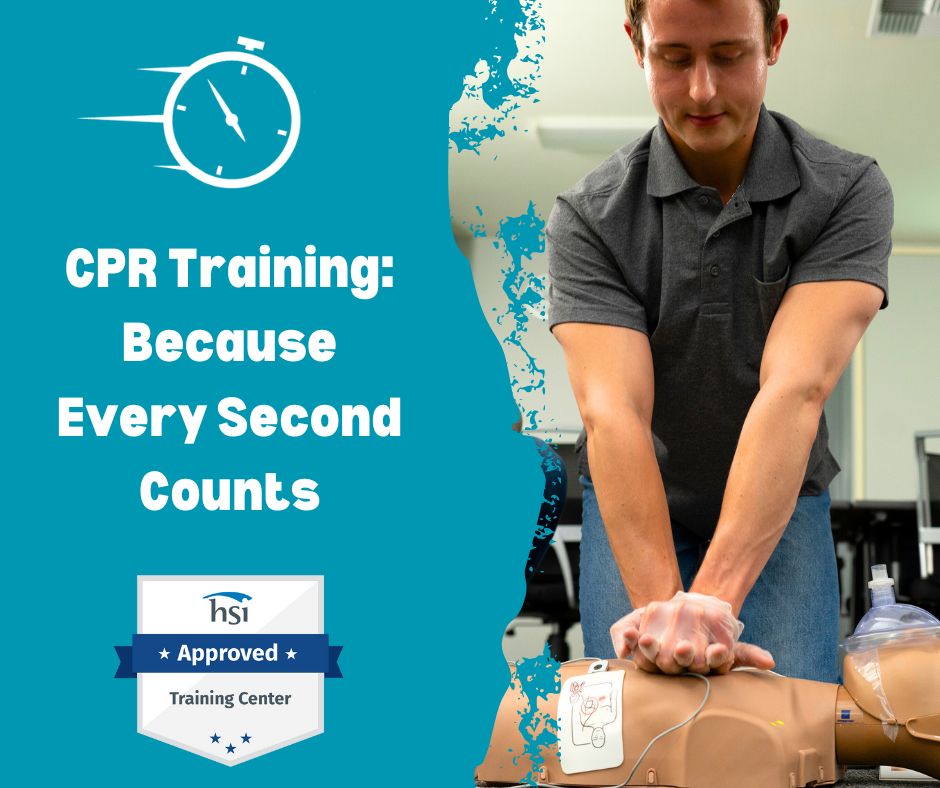
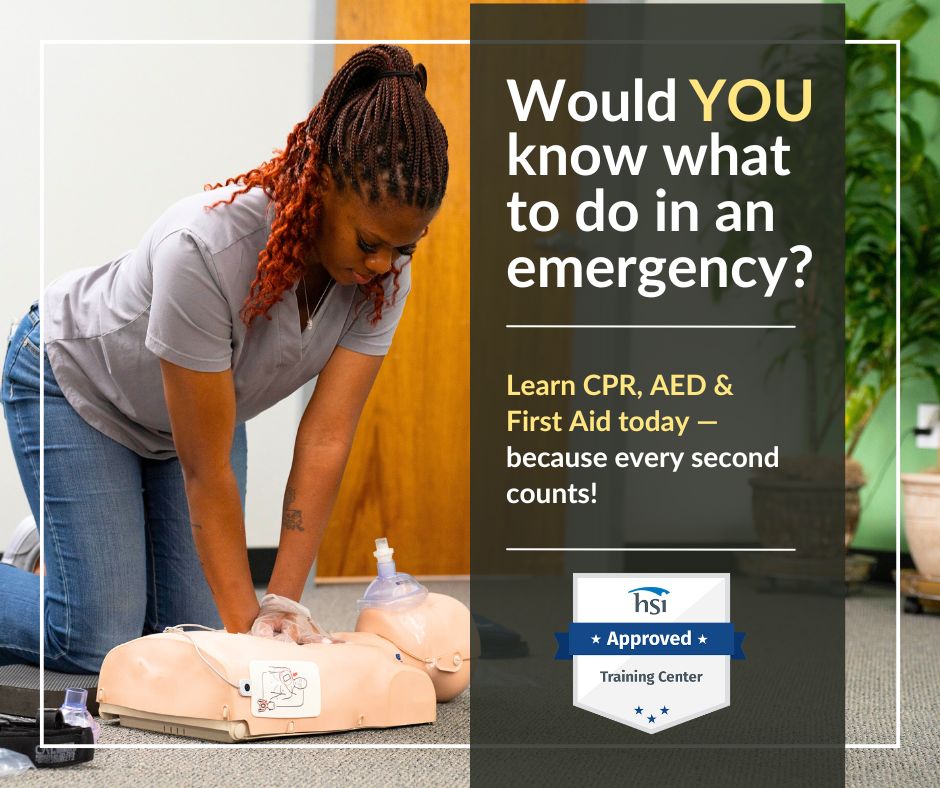
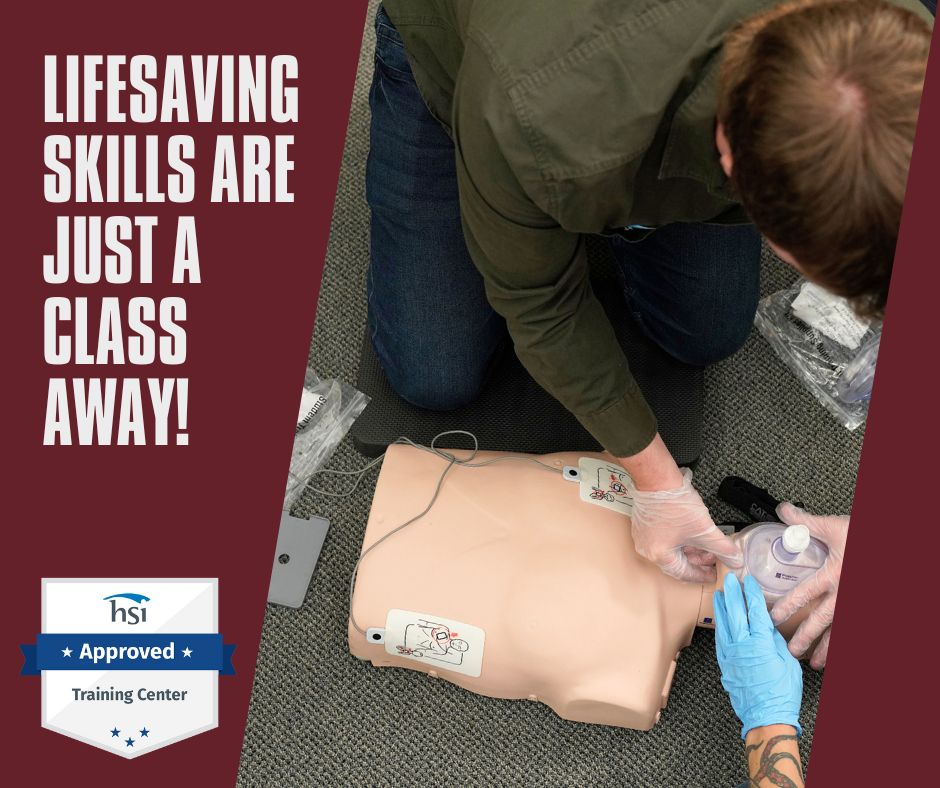
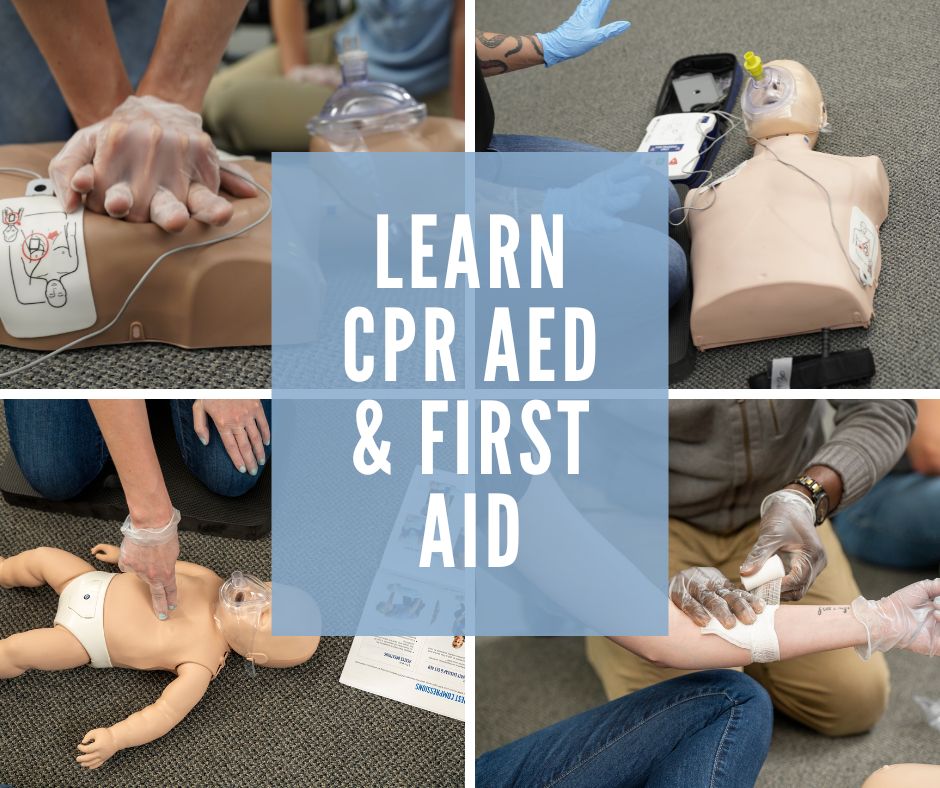
The CPR AED Course is a classroom, instructor-led course designed to prepare students to provide CPR and use an automated external defibrillator (AED) in a safe, timely, and effective manner. The course runs approximately 3–4 hours, with class sizes limited to no more than 15 attendees (3:1 ratio per manikin). It is recommended for teachers, fitness trainers, security guards, and laypeople.
Upon successful completion of the course, including a CPR and AED skills test, students receive a Heartsaver CPR AED course completion card that is valid for two years.
• Describe how high-quality CPR improves survival
• Explain the concepts of the Chain of Survival
• Recognize when someone needs CPR
• Perform high-quality CPR for an adult
• Perform as a team member during multi-rescuer CPR
• Give effective breaths using mouth-to-mouth or a mask for all age groups
• Demonstrate how to use an AED on an adult
• Perform high-quality CPR for a child
• Describe when and how to help a choking adult, child, or infant
Up to 12 students, 4 hours ,
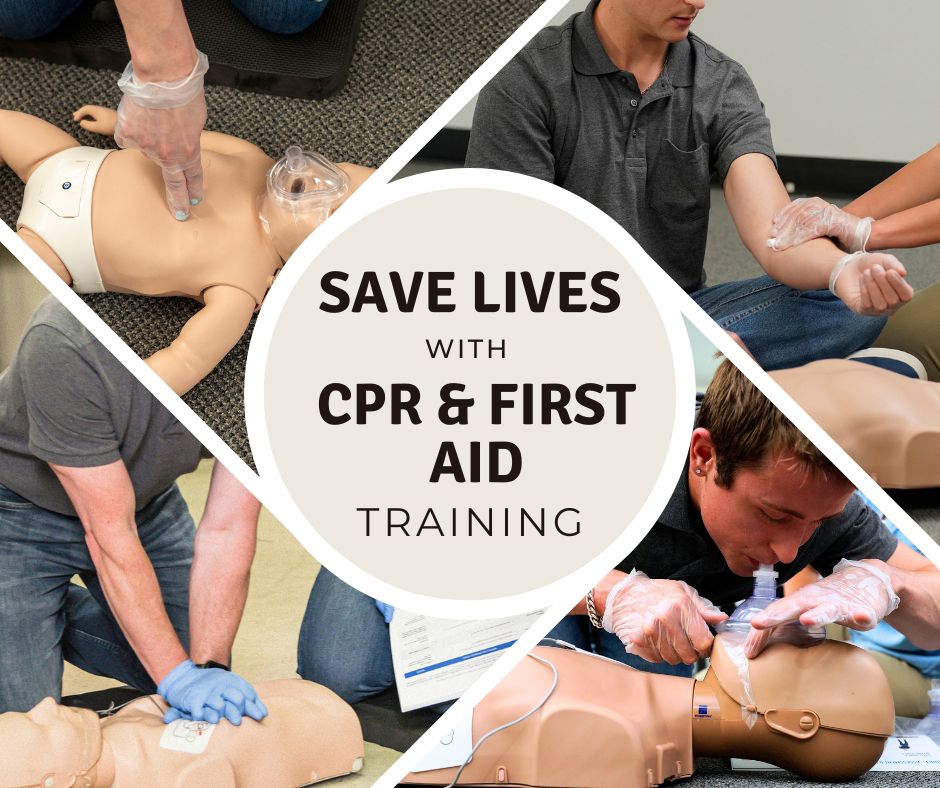
Basic First Aid CPR AED Course is an onsite (classroom), Instructor-led course designed to prepare students to provide CPR and use an automated external defibrillator (AED) use in a safe, timely, and effective manner. 4-5 hrs. course; class size no more than 15 attendees (3:1 ratio per manikin). Recommended for: Teachers, Fitness Trainers, Security Guards, and Laypeople. Also for everyone interested in Learning First Aid Skills.
Upon successful completion of the course, including a first aid skills demonstration and a CPR and AED skills test, students will receive a First Aid CPR AED course completion card, which is valid for two years. After successfully completing this course, students should be able to:
List the priorities, roles, and responsibilities of the first aid rescue
Describe the key steps in first aid
Remove protective gloves
Find the problem
Describe the assessment and first aid actions for the following life-threatening conditions: heart attack, difficulty breathing, choking, severe bleeding, shock, and stroke
Use an epinephrine pen
Control bleeding and bandaging
Recognize elements of common injuries and illnesses
Describe how to find information on preventing illness and injury
Describe how high-quality CPR improves survival
Explain the concepts of the Chain of Survival
Recognize when someone needs CPR
Perform high-quality CPR for an adult, child, and infant
Give effective breaths using mouth-to-mouth or a mask for all age groups Demonstrate how to use an AED on an adult and child
Up to 12 students 5 hours
The Pediatric First Aid CPR AED is geared towards anyone involved in childcare who has a duty to respond to illnesses and injuries in a child or infant in the first few minutes until professional help arrives. 4-5 hrs. course; class size no more than 15 attendees (3:1 ratio per manikin). Including childcare workers, teachers, camp counselors, etc.
Upon successful completion of the course, including a first aid skills demonstration and a CPR and AED skills test, students will receive a Pediatric First Aid CPR AED course completion card, which is valid for two years. After successfully completing this course, students should be able to:
List the duties, roles, and responsibilities of a first aid rescuer
Describe the 4 key steps in pediatric first aid: prevent, protect, assess, and act
Remove protective gloves (skill students will demonstrate)
Find the problem (skill students will demonstrate)
Describe the assessment and first aid actions for the following life-threatening conditions: difficulty breathing, choking, severe bleeding, and shock
Control bleeding and bandaging (skills students will demonstrate)
Use an epinephrine pen (skill students will demonstrate)
Recognize elements of common illnesses and injuries
Describe how to find information on preventing illness and injury
Describe the risks of smoking and vaping and the benefits of a healthy lifestyle
Describe how high-quality CPR improves survival
Explain the concepts of the Chain of Survival
Recognize when someone needs CPR
Perform high-quality CPR for all age groups
Describe how to perform CPR with help from others
Give effective breaths by using mouth-to-mouth or a mask for all age groups
Demonstrate how to use an AED on children and adults
Describe when and how to help someone who is choking
Recognize the legal questions that apply to first aid rescuers
Up to 12 students 4 hours
Blended Options: CPR AED | First Aid CPR AED Certification
The BLENDED TRAINING Options consist of (1) an eLearning component and (2) an Onsite Instructor-Led session SKILLS test.
The eLearning portion of the blended learning course is designed to teach students the cognitive information needed for relevant training. Online learning along with a virtual component, or on-site instructor-led skills session offers flexibility and convenience for organizations and students to select the appropriate training solution to fit their needs. Upon completion of the online portion, students must complete a hands-on skills session with a certified Instructor.
A date to perform a hands-on skills session will be scheduled at an agreed date most convenient for your group or individuals. The instructor-led skills portion is no more than 2 hours.
Blended Training option with Instructor-led skills sessions is offered to groups of up to 12 students (3:1 ratio per manikin).
Students will receive individual access to the eLearning session to complete prior to the in-class session via email
The in-class session will be performed at the location agreed upon by the organization/group/individuals and LS365
Shortens skills session time, no more than 2 hours
Blended Option is offered for all course types
CPR AED
CPR AED First Aid
Pediatric First Aid CPR AED
First Aid
The purpose of the HSI Pediatric First Aid | CPR AED training program is for participants to gain or improve knowledge and skill proficiency in First Aid, CPR, and AED skills.
HSI Pediatric First Aid | CPR AED has been approved by the HSI Medical Advisory Board and reviewed by the HSI Advisory Council.
Reflects the latest resuscitation science and treatment recommendations published by the International Liaison Committee
on Resuscitation (ILCOR).
Conforms with the 2020 American Heart Association (AHA) Guidelines Update for CPR and ECC and the annual Guidelines
Update.
intended audience
The intended audience is individuals who are not
healthcare providers or professional rescuers who
desire, or are occupationally required, to be trained and
certified in pediatric First aid and/or CPR AED for the
child, infant and adult.
Class options
Delivery options
Certification period
Recommended time to complete
Class topics
o Assessment & Chest Compressions
o Adult Rescue Breathing & Using a
CPR Mask
o Using an AED
o One-Provider CPR AED
o Suspected Opioid-Associated
Emergency
o Relief of Choking
Bleeding
The Basic Life Support (BLS) course trains participants to promptly recognize several life-threatening emergencies, give high-quality chest compressions, deliver appropriate ventilations and provide early use of an AED. Reflects science and education from the American Heart Association Guidelines Update for CPR and Emergency Cardiovascular Care (ECC).
Medical personnel, such as physicians, nurse practitioners, nurses, physician assistants, nurse assistants, dentists, physical therapists, pharmacists, and students entering the field.
Public safety personnel and other professional responders, such as paramedics, advanced emergency medical technicians (AEMTs), emergency medical technicians (EMTs), firefighters, law enforcement, emergency medical responders (EMRs), and students entering the field.
Apply concepts of effective teamwork when caring for a patient experiencing a life-threatening emergency.
Integrate communication, critical-thinking and problem-solving skills during a high-performance BLS team response.
Apply a systematic, continuous approach to assess, recognize and care for adults, children and infants experiencing a life-threatening emergency.
Perform a rapid assessment for responsive and unresponsive adults, children and infants.
Effectively care for adults, children and infants experiencing a life-threatening injury or illness.
Effectively care for adults, children and infants in respiratory arrest or respiratory failure.
State the principles of high-quality CPR for adults, children and infants.
Identify BLS differences among adults, children and infants.
Provide high-quality chest compressions for adults, children and infants
Deliver effective ventilations to adults, children and infants using a pocket mask and bag-valve-mask (BVM) resuscitator.
Demonstrate effective use of an automated external defibrillator (AED) for adults, children and infants.
Provide high-quality BLS care for adults, children and infants in single- and multiple-provider situations.
Deliver effective back blows, abdominal thrusts and chest thrusts for adults, children and infants with airway obstruction.
State the principles of caring for a pregnant patient in cardiac arrest.
State the principles of care for a patient experiencing an opioid overdose.
Contact for rates
Murphy Fire & EMS, Training offers life-saving strategies to help you anticipate potential danger, react quickly if active violence occurs, and become an immediate responder to life-threatening bleeding through the instructions of HSI’s AVIRT.
With AVIRT, you’ll get unmatched training and product solutions that prepare you for active violence and acute bleeding situations, wherever you are. While other programs focus solely on active shooter or stop the bleed, AVIRT goes beyond by combining both of these important topics in one training program.
What is AVIRT
Once taught only to industry professionals, the content in AVIRT has been specifically adapted for the general public by medical and law enforcement experts. Unlike other training programs that focus solely on Run, Hide, Fight techniques, AVIRT uses a dynamic method to teach proactive awareness, how to react and protect yourself and others in a violent situation, and how to respond to stop the bleed of severe injuries that are often a result of these occurrences.
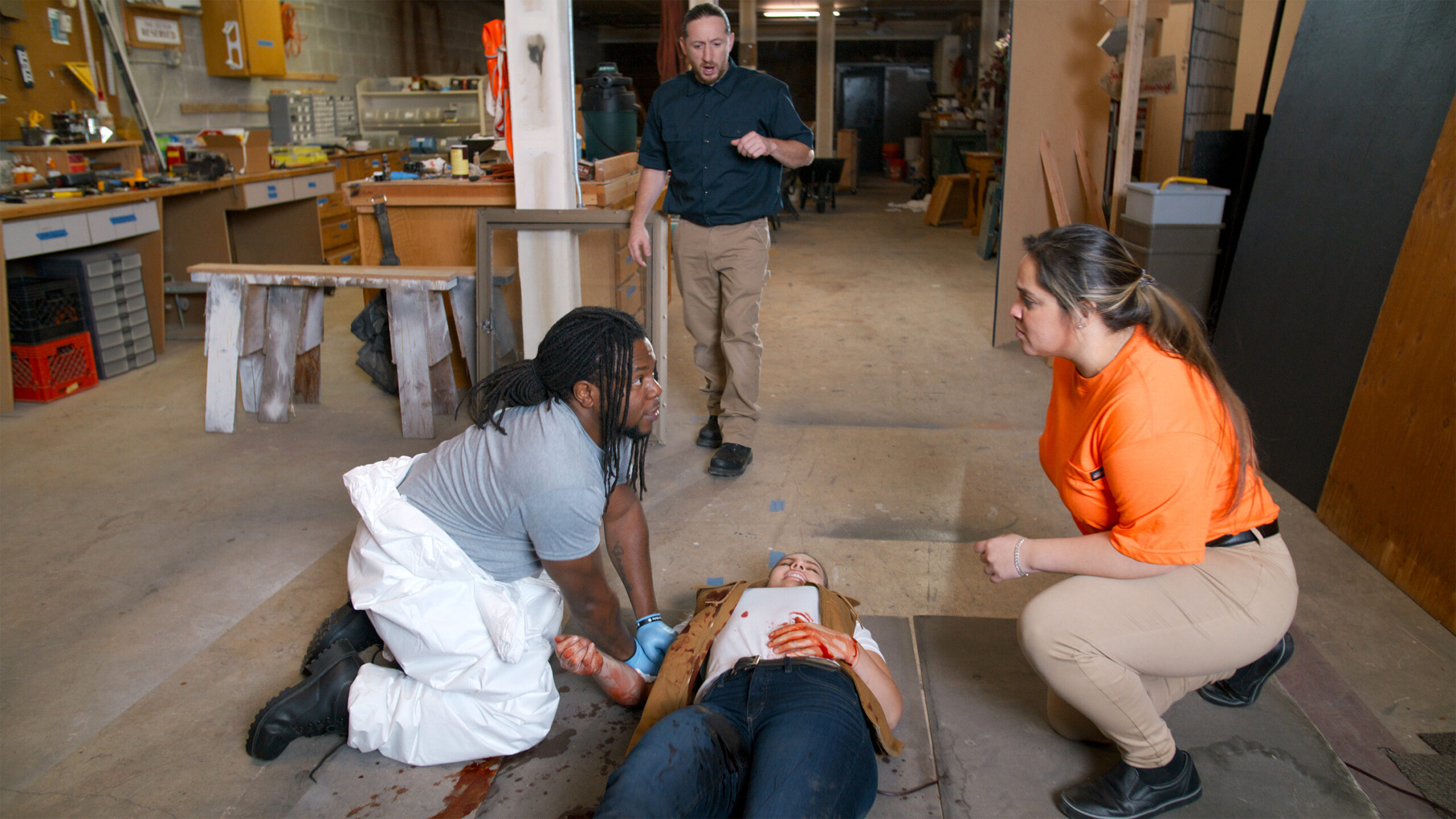
The AVIRT course is delivered in a “blended” training format. This means students will first receive online training introducing them to the subject and preparing them for the instructor-led session. In-person sessions last approximately three hours and include hands-on training, realistic drills, and education with encouraging tips and feedback. Class sizes are limited to 15 people or no less than 5 so that all participants will leave the AVIRT program with the confidence to respond with appropriate action if active violence or a life-threatening situation arises.
AVIRT certification is valid for two years. We recommend training staff annually or every two years and maintaining a workplace violence program as required by OSHA [section 32.0.2(1)]. Clear policies and procedures should be reviewed and updated annually.
Situational Awareness
Reacting quickly to life-threatening situations is critical for any work environment. With the help of AVIRT, your team will understand warning signs of potential violence and learn how to develop situational awareness.
Bleeding Control
A bleeding injury can happen anywhere, and we have all seen them happen too often – whether on the news or in everyday life. The person next to a bleeding victim may very will be the one most likely to save them.
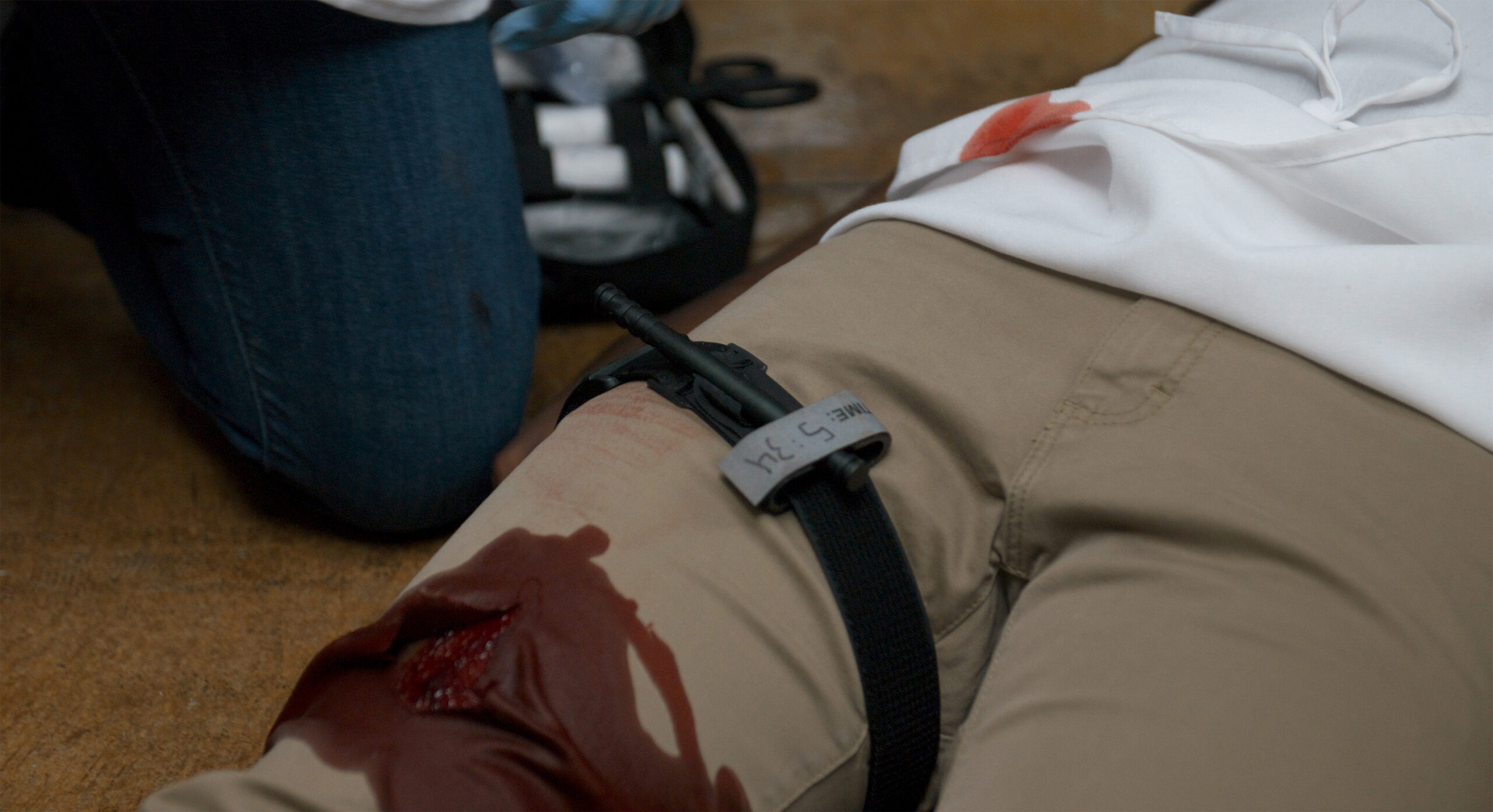
With AVIRT, you’ll learn to be an immediate responder, a person who recognizes life-threatening bleeding and can act right away using stop the bleed methods.
Live Scenarios
This active violence emergency training is designed to help empower and educate the participants to make vital survival decisions during an attack. Active shooter preparedness solutions need to include not only proper training but also must give your people the confidence and preparation to respond quickly to an active shooter situation.
Live scenario training with Murphy Fire & EMS, Training via AVIRT, covers vital aspects of violent encounter response such as alerts, communication, evacuation, and in some circumstances countering a violent attacker.
AVIRT is designed to consider the specific needs of your organization and environment, delivering tailored training and vital live scenario experience.
Request Onsite training tab
FAQs
What does AVIRT stand for?
AVIRT stands Active Violence Initial Response Training. AVIRT goes beyond active shooter training by including emergency bleeding control basics to ensure all participants know how to respond appropriately and help individuals who may be injured before medical responders arrive on scene..
Who should be trained in AVIRT
All employees and/or personnel who support a facility should participate in the training to ensure they know how to prevent and respond if met with an active violence situation.
Is AVIRT training designed for a specific type of industry?
AVIRT training supports anyone who could be involved in an active violence situation, and it’s appropriate for all industries and types of venues such as Government, Healthcare, Places of Worship, Schools, Sporting Venues, Manufacturing, Office Settings, and Retail Environments.
What medical components are taught in AVIRT?
AVIRT goes beyond single training topics and teaches topics from both active shooter and emergency bleeding control training. By combining these two integrated topics in one dynamic hands-on course, AVIRT covers everything you need to handle a life-threatening situation.
What is the standard AVIRT class size?
The AVIRT certification course is an active program that integrates a lot of hands-on skills and techniques, making it necessary to require a maximum class size of 15 students per Authorized AVIRT Instructor.
Does AVIRT use weapons in the training?
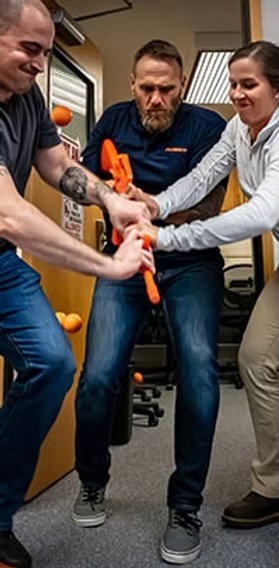
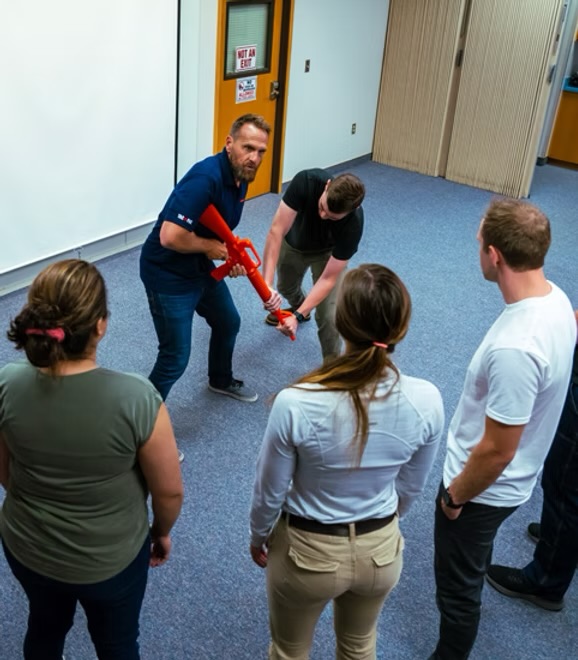
Authorized AVIRT instructors use orange replica weapons to discuss the types of weapons most commonly used in violent situations. They are also used to demonstrate how to disarm an attacker if other alternatives, such as evading and escaping, are not possible.
Is Active shooter/workplace violence training required by OSHA?
OSHA does not have a specific standard for workplace violence. However, under the Occupational Safety and Health Act of 1970 (the OSH Act, or the Act), the extent of an employer’s obligation to address workplace violence is governed by the General Duty Clause, which is often interpreted to include protection from workplace violence.
Does AVIRT support the use of tourniquets & provide training on how to use them?
Yes, AVIRT uses training tourniquets to prepare students to respond to potential injuries that may occur in an active violence or emergency bleeding event

Health and Safety Institute is the third largest and most reknown emergency care training institute. HSI offers the most comprehensive platform and tools for managing students, training materials, course schedules, and affiliated instructors. It is Murphy Fire & EMS, Training preferred program for workplace training and compliance management.
Whether you’re an entrepreneur looking to start your own emergency care training business or the newly designated training coordinator at your company or agency, the HSI First Aid|CPR|AED Instructor Development Course (IDC) is an effective way to do both. Using a blended training approach, the IDC combines an initial online learning session to develop cognitive understanding, followed by a single-day, in-person classroom session for practicing instructional skills.
Once you complete the CPR, AED & First Aid Instructor Development course you will be able to certify individuals in CPR, AED and/or First Aid. Additional courses, such as BLS can be added on as well.
Adult First Aid
All Ages CPR AED
Pediatric First Aid
Bloodborne Pathogens (BBP)
Child and Babysitting Safety (CABS)
AVIRT Instructor Development Course
AVIRT is an Active Shooter and Bleeding Control course that can be taught to any organization. Become an Authorized AVIRT Instructor in as little as one day. Once taught only to industry professionals, the content in AVIRT has been specifically adapted for the public by medical and law enforcement experts. Unlike other training programs that focus solely on run, hide, fight techniques, AVIRT uses a dynamic method to teach proactive awareness, how to react and protect yourself and others in a violent situation, and how to stop the bleed of severe injuries that are often a result of these occurrences.
Attend the 1-day AV1RT Instructor Development Course for and train others to react confidently with life-saving skills during a violent encounter or a life-threatening bleeding emergency. The fee includes the blended training course, AVIRT Instructor Training Kit, and much more. Our Instructor Development Course provides you with all the training and necessary components you need to start teaching AVIRT to your organization or customers.
Stop the bleed video
Minutes count! Someone who is severely bleeding can bleed to death in as little as 5 minutes. That’s why bleeding control—keeping the blood inside the body—is the purpose of STOP THE BLEED® training.
Murphy Fire & EMS, Training is certified to teach The American College of Surgeons STOP THE BLEED® program and HIS Stop Life Threatening Bleeding (SLTB). These programs have trained over 1.5 million worldwide on how to stop bleeding in a severely injured person. Through our STOP THE BLEED® course, you’ll gain the ability to recognize life-threatening bleeding and intervene effectively. The person next to a bleeding victim may be the one who’s most likely to save him or her.
Most STOP THE BLEED® courses last no more than 90 minutes. A formal presentation is followed by hands-on practice of applying direct pressure, packing a wound, and using a tourniquet to stop bleeding. Upon completion of the course, participants will receive a Certificate of Completion.
Why It Matters
Uncontrolled bleeding is a major cause of preventative deaths. Approximately 40% of trauma-related deaths worldwide are due to bleeding or its consequences, establishing hemorrhage as the most common cause of preventable death in trauma.*
Average time
to bleed out
3 to 5 min
Average time for 1st responders to arrive
7 to 10 min
Trauma-related deaths worldwide due to bleeding
40 percent
Intended audience
Teens and young adults interested in a babysitting
business, or who have responsibility for younger family
members.
Certification period
Recommended time to complete
learning objectives rather than a prescribed instruction time.
The HSI Child and Babysitting Safety (CABS) program gives teenagers and young adults everything they need to know for safe
and successful babysitting. HSI CABS teaches how to start a babysitting business, interact with parents and children, and
provides important safety and first aid information using the latest 2020 guidelines.
Topics Covered
Becoming a babysitter
Preparing to babysit
Staying safe
Taking care of kids
When things go wrong
You can do it!
The purpose of the HSI Emergency Use of Medical Oxygen training program is for participants to gain or improve knowledge and skill proficiency in the use of medical oxygen. It is an excellent supplement to our First Aid | CPR AED and BLS programs.
Reflects the latest resuscitation science and treatment recommendations published by the International Liaison Committee on
Resuscitation (ILCOR).
Intended audience
This course is for adult First Aid and adult and child CPR AED providers and/or Basic Life Support (BLS) trained healthcare providers, professional rescuers, or public safety providers working in a wide variety of occupational settings who desire or are required to be certified in the emergency use of medical
Certification period
Recommended time to complete
Class for First Aid | CPR AED providers: About 1¾ hours Class for BLS providers: About 2½ hours
Delivery options
oTraditional Classroom Method
oVirtual Classroom Method, using blended learning with a remote, face-to-face, instructor-led skills session
Topics Covered
How to assess for oxygen deficiency in an emergency situation
o The signs and symptoms of mild, moderate, and severe hypoxia
o Correct use of a pulse oximeter
o How to set up an emergency medical oxygen delivery system
o Appropriate oxygen saturation levels
o How to monitor Sp02
o Helping responsive and unresponsive persons
o How to give medical oxygen in an emergency to an adult/child and infant using an appropriate bag-mask device
(BLS providers only)
OSHA 10 & 30 Hour Training
HSI is the top OSHA-authorized online training provider. We offer engaging content for OSHA 10 and 30 general industry and construction in both English and Spanish.
OSHA-Authorized 10 & 30 Courses
Free Study Guide Train smarter! Included for all 10 & 30 course purchases.
Free OSHA Hard Cards Durable plastic + QR codes for scanning + Fraud reduction
Instant Printable Certificate Upon successful completion of all
10 & 30 Hour OSHA Training. Get It Fast!
OSHA 10 and 30 Hour Training provided by Summit
Student course completion cards can only be issued for students within
U.S. jurisdiction (the 50 States and certain U.S. Territories).
HSI is the top OSHA-authorized online outreach provider.
Receive your official DOL-OSHA card in 2 – 3 weeks!
HSI ONLINE SAFETY TRAINING COURSES
You can now get access to some of the most popular titles
from the HSI safety training library. The HSI Online Safety
Training courses are delivered just like our other blended
courses, but no in-person skills evaluation is required.
Upon successful completion of an online safety course, a
Certificate of Online Training will be issued. All courses are
developed to OSHA standards.
Intended audience
Anyone who needs awareness-level training or a
Certicate of Online Training for one or more of the
HSI Online Safety Training courses offered.
Delivery options
Blended Learning, with no requirement for
in-person skills evaluation
Student requirements
Online Training will be issued.
Course List
Asbestos Hazard Awareness
Back Safety and Injury Prevention
Compressed Gas Safety
Confined Spaces
Driver Safety
Electrical Safety: General Awareness
Emergency and Fire Preparedness
Fire Extinguisher Safety
Hand and Power Tool Safety
Hazard Communication
Hearing Conservation
Heat Stress
Industrial Ergonomics
Ladder Safety
Lockout Tagout
Machine Guarding
Office Ergonomics
Personal Fall Arrest Systems
Personal Protective Equipment Fundamentals
Respiratory Protection
Sexual Harassment and Discrimination Prevention
Slips, Trips, and Falls
Violence in the Workplace
Please contact for OSHA course rates.
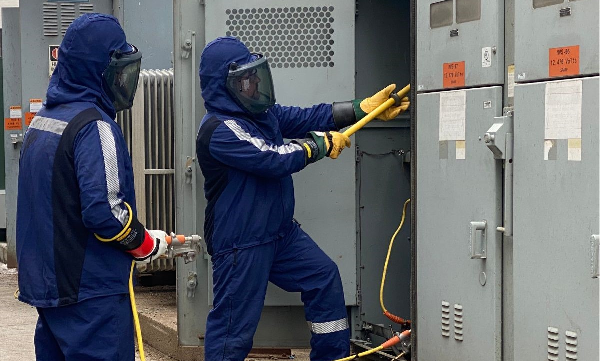
Electrical power is an essential element at home and work. It can be a dangerous force if not managed properly and should be dealt with in a safe manner while conducting workplace operations.
As an employee or an employer, it is important that you understand the importance of electrical safety.
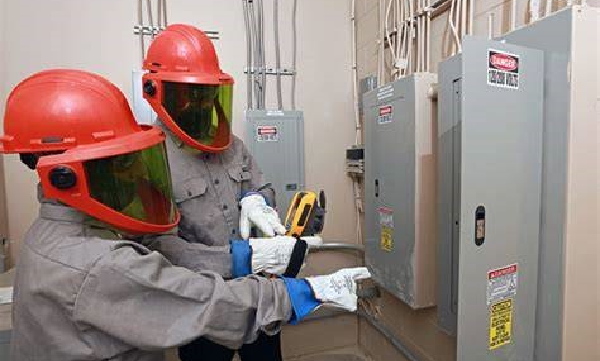
National Fire Protection Association – NFPA 70E covers standards for electrical safety in the workplace. Throughout this course, you will review the relationship between the Occupational Safety and Health Administration (OSHA) and NFPA 70E. You will also review general NFPA 70E standards and the importance of these standards in maintaining your safety and the safety of others in the workplace.
The purpose of NFPA 70E is to provide a working area for employees that is safe from the risk associated with the use of electricity in the workplace. Using an appropriate mix of risk controls from the hierarchy of risk control methods.
Couse Outline
Topics Covered
Introduction to NFPA 70E
Chapter 1 Safety-Related Work Practices
Chapter 2 Safety-Related Maintenance Requirements
Chapter 3 Safety Requirements for Special Equipment
What You’ll Learn
After you complete this course, you will have a general understanding of NFPA 70E and how it is used to identify electrical safety hazards in the workplace and ways to reduce or eliminate your exposure to them.
You will be able to:
Explain the importance of electrical safety in the workplace.
Define electrical safety terms.
Discuss workplace electrical injuries, including how the human body reacts to electric current, and the hazards related to arc flash, shock, flash, and blast.
Discuss the objective of and how to obtain an electrically safe work condition.
Discuss Lockout/Tagout procedures.
Discuss the conditions and considerations for work on energized electrical equipment.
Identify elements of various electrical hazard analyses and shock protection restrictions.
Discuss personal protective equipment, specifically electrical PPE.
Identify safety-related maintenance requirements.
Identify hazards related to special equipment.
FAQs
What Is NFPA 70E 2024 Training?
NFPA 70E 2024 training teaches you how to build an electrically safe work environment and how to respond effectively in the event of an electrical emergency. Training is intended to help keep you and your coworkers safe while on the job.
What’s Included in NFPA 70E 2024 Training?
The NFPA 70E 2024 training teaches safety in working with electrical systems. It covers identifying hazards, assessing risks, following safe work procedures, and selecting appropriate personal protective equipment (PPE). The training emphasizes the importance of understanding the level of risk involved in different electrical tasks and following step-by-step methods to complete electrical work safely.
Who Needs an NFPA 70E 2024 Certification?
NFPA 70E 2024 training is for electricians and other workers who are exposed to electrical risks. The course covers common hazards risk assessment techniques, and safe work practices for electrical workers. NFPA 70E certification is also suggested for any professionals in the electrical industry.
When Does NFPA 70E 2024 Training Expire?
Typically, NFPA 70E 2024 training needs to be renewed every three years. However, if an employee’s job responsibilities change, new equipment is introduced, or there are any safety incidents, more retraining might be necessary.
Automated page speed optimizations for fast site performance